Maersk’s stock was downgraded to “sell,” and the shares slid accordingly — a clean, visible market reaction that on the surface looks like a straightforward analyst call, but underneath exposes something far more awkward about how markets think. The trigger was not a profit warning, a balance-sheet shock, or operational failure. It was the opposite. Analysts are now pricing in Maersk’s gradual return to the Red Sea and the Suez Canal, and with that return comes a simple conclusion: the container market is about to look more normal. That single word, normal, is doing all the damage. For Maersk, the downgrade reflects the expectation that the extraordinary conditions that inflated freight rates and earnings over the past year are fading, and the stock is being punished for losing a crisis-driven advantage.
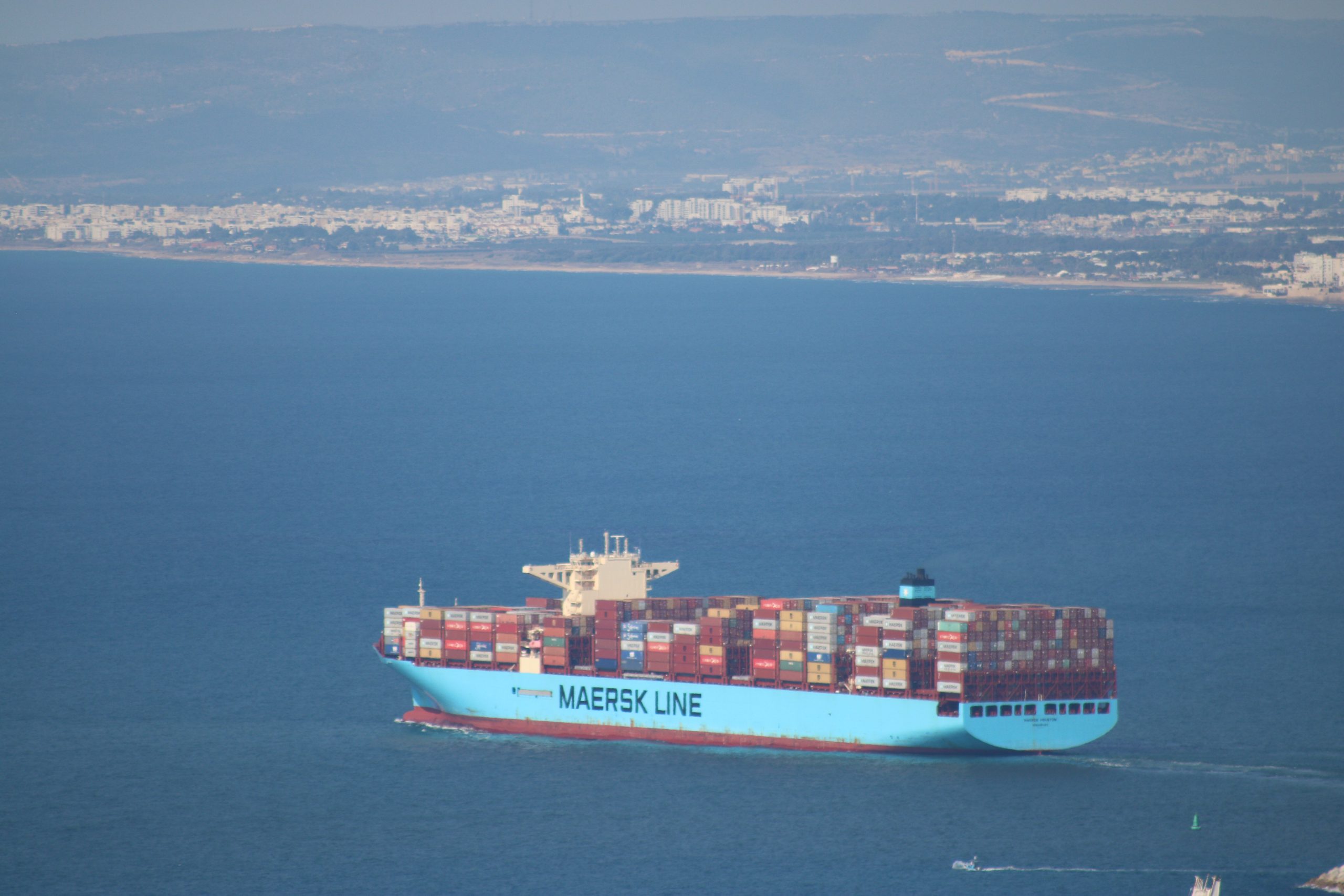
For months, global container shipping operated in a distorted state. With Red Sea transits considered too risky, vessels were sent around the Cape of Good Hope, adding weeks to voyages, burning more fuel, and tying up enormous amounts of capacity. This artificial inefficiency tightened supply without any formal discipline from carriers. Rates rose not because demand exploded, but because the system was deliberately slowed by geopolitics. Maersk, like its peers, benefited financially from that slowdown. Longer routes meant fewer effective ships, higher utilization, and better pricing power. Investors learned to read disruption as a feature, not a bug, and valuations adjusted upward to reflect a world where instability quietly subsidized profits.
The moment Maersk signals a return to the Red Sea and the Suez Canal, the logic reverses. Shorter routes restore efficiency, which in shipping is almost synonymous with oversupply. Transit times shrink, vessels cycle faster, and effective capacity jumps without a single new ship hitting the water. Freight rates, already fragile, come under renewed pressure. From a market perspective, this is not a story about operational improvement, but about margin compression waiting to happen. The downgrade assumes that once normal routing resumes through the Red Sea, the container market loses the scarcity premium that made recent earnings look unusually strong.
This is where the paradox becomes impossible to ignore. A calmer Red Sea is unambiguously positive for global trade. Supply chains stabilize, insurance risks ease, transit schedules become predictable, and inflationary pressure from logistics costs declines. Yet none of that translates into equity upside. Markets are not designed to reward stability; they reward deviation from baseline. Crisis conditions created abnormal profits, and those profits became embedded in expectations. When the system starts behaving as it should, stocks react as if something valuable has been taken away — because, from a narrow earnings perspective, it has.
What Maersk’s share slide really illustrates is how financial markets have grown accustomed to monetizing dysfunction. Volatility creates pricing power, and pricing power creates stories investors can believe in. Normal shipping is brutally competitive, capital-intensive, and chronically vulnerable to overcapacity. That reality never disappeared; it was just hidden behind longer routes and higher rates. As those distortions unwind, Maersk looks less like a geopolitical winner and more like a cyclical logistics operator returning to its natural state. The market response isn’t irrational, but it is revealing. Stability may be good for the world, but for stocks built on crisis economics, normality often arrives looking suspiciously like bad news.